


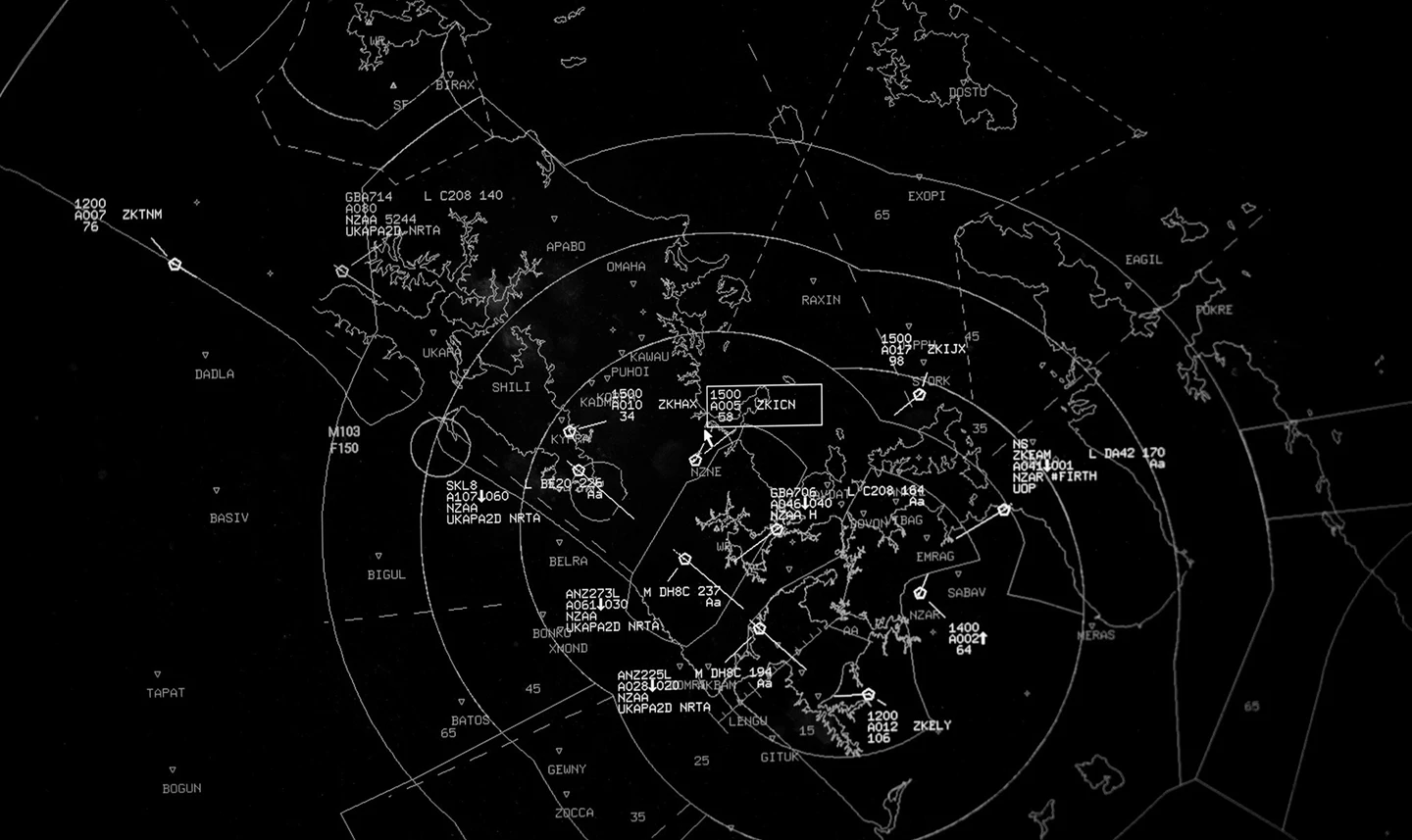
Airways Corporation has completed the investigation of the 16 August disruption to its oceanic air traffic control system, which temporarily disrupted air traffic services operating across the Tasman.
The investigation found the disruption was caused by a software ‘glitch ’linked to a long-latent issue in the code which had been in the code base for more than 20 years. The issue occurred during sectorisation, a process when sections of the airspace are separated or combined based on traffic volumes. Sectorisation occurs several times a day. In this instance, sectorisation took place at the same time that an incoming external pilot message was received. The particular timing led to an invalid memory access and prevented the sectorisation process completing correctly. This issue then affected the state that aircraft appeared in the reserve software and required a restart to restore the correct data state.
The investigation found that Airways staff responded promptly and took the most appropriate action to ensure the safety of all flights under their control. Normal service was restored within 49 minutes of the initial incident.
“Throughout the incident, controllers maintained safe separation of aircraft while system adjustments were stabilised,” says James Young, Airways Chief Executive. “The report shows that safety of passengers and aircrew was prioritised above all else, with operational continuity restored as soon as possible.”
The investigation identified eight findings and associated actions, four of which related to internal communications practices. Seven of the eight recommended actions have now been completed.
These findings mostly relate to the communication between Airways and customers but also acknowledges that this was a highly unusual situation.
“We acknowledge our communication with airlines during the incident did not meet our expected standards. We apologise for this and are addressing this to ensure we have a more robust process for communicating changes to our air traffic management with our customers directly” says Young.
“We also apologise to the passengers whose flights were delayed or cancelled as a result of the unforeseen technical issue.”
A copy of the report is available here.